Introduction
When sourcing adult toys for wholesale or OEM projects, material choice plays a critical role in product quality, brand positioning, and customer satisfaction. Two of the most commonly used materials in the industry are liquid silicone and TPE (Thermoplastic Elastomer).
Understanding the differences between these materials helps B2B buyers make informed decisions and avoid costly mistakes.
1. What Is Liquid Silicone?
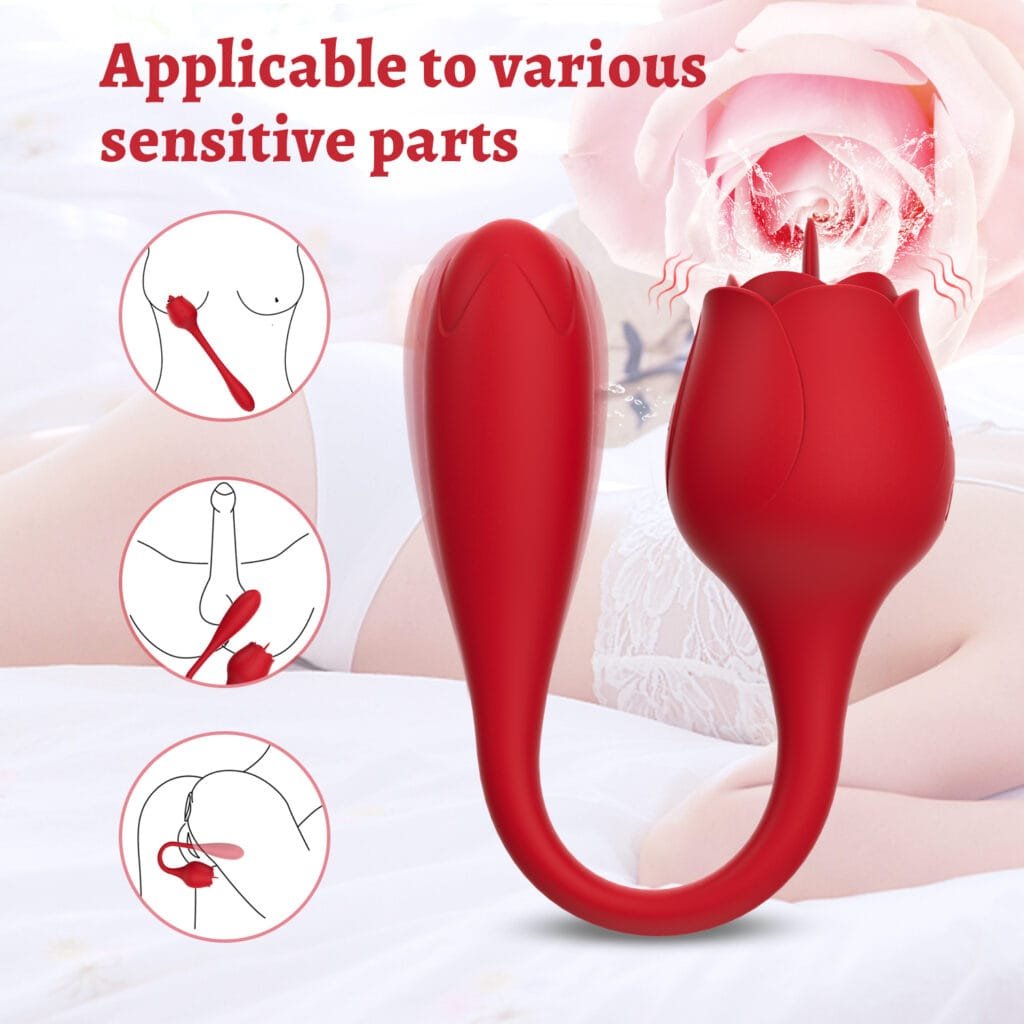
Liquid silicone rubber (LSR) is a premium material widely used in high-end adult toys. It is known for its soft touch, durability, and skin-safe properties.
Key advantages of liquid silicone:
-
Medical-grade and body-safe
-
Non-porous and easy to clean
-
Long-lasting shape and elasticity
-
Odorless and hypoallergenic
Because of these features, liquid silicone products are often positioned in mid-to-high-end markets, especially in Europe and North America.
2. What Is TPE?
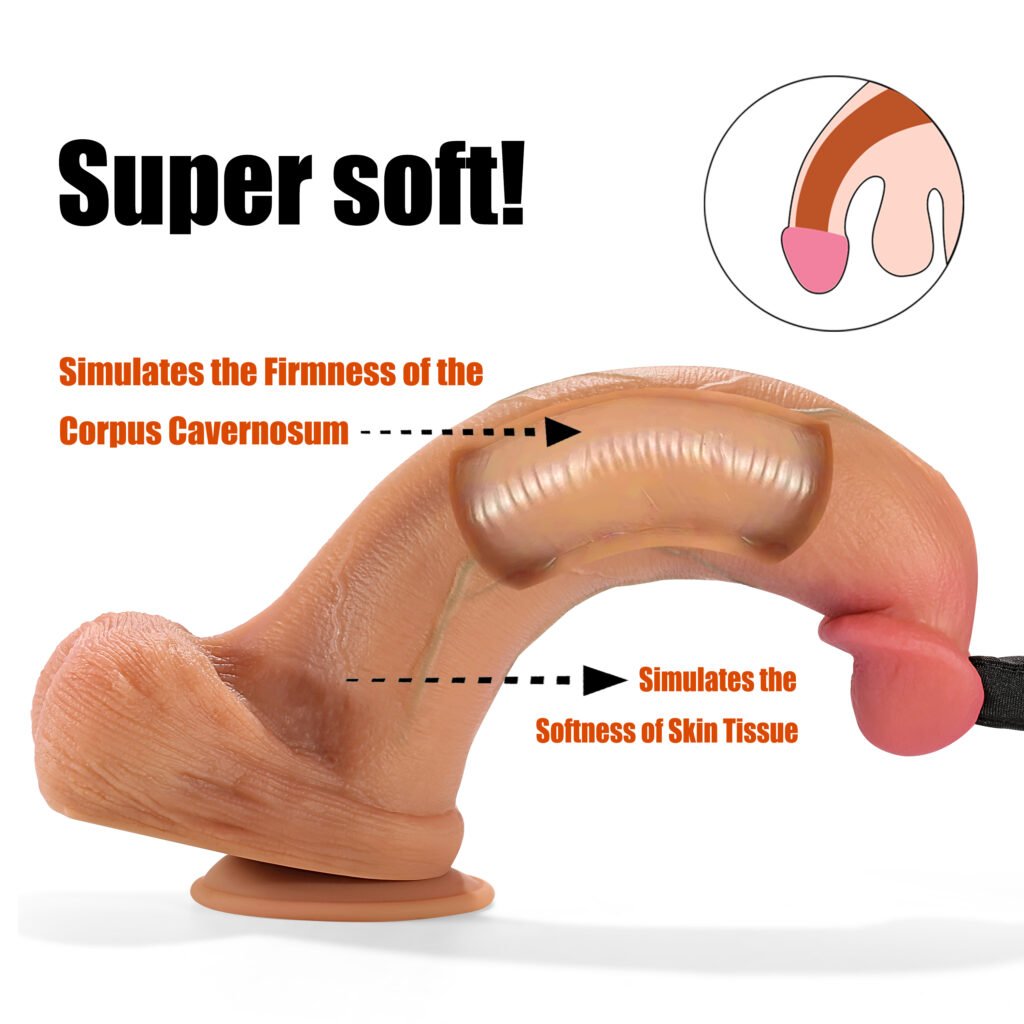
TPE is a flexible plastic material commonly used in entry-level adult toys. It offers a softer and more realistic feel but comes with certain limitations.
Key characteristics of TPE:
-
Softer, jelly-like texture
-
Lower production cost
-
More flexible molding options
However, TPE is porous, which means it can absorb oils, odors, and bacteria if not properly maintained. This makes quality control and after-sales handling more challenging.
3. Durability & Product Lifespan
From a B2B perspective, durability directly impacts return rates and brand reputation.
-
Liquid silicone maintains its shape and surface quality over long-term use
-
TPE may degrade faster, becoming sticky or discolored over time
For brands focused on long-term customer trust, liquid silicone offers a more reliable solution.
4. Safety & Compliance Considerations
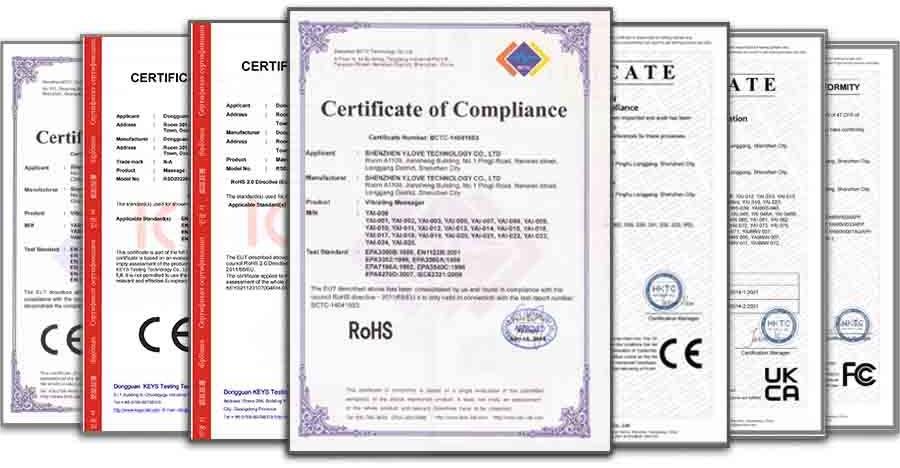
Liquid silicone is generally easier to certify for international markets. It is more compatible with:
-
CE
-
RoHS
-
REACH requirements
TPE products may require stricter material control and additional testing, depending on formulation and additives.
5. Cost vs Market Positioning
-
TPE is suitable for price-sensitive markets or promotional items
-
Liquid silicone supports premium branding, higher margins, and repeat customers
Many successful brands choose to offer both materials, targeting different customer segments with clear positioning.
결론
Choosing between liquid silicone and TPE depends on your target market, brand strategy, and compliance requirements. For B2B buyers seeking stability, safety, and premium positioning, liquid silicone remains the preferred choice.
Working with an experienced OEM manufacturer ensures proper material selection, quality control, and certification support.